

What Is Single Origin Coffee? Meaning, Taste, Vs. Blends
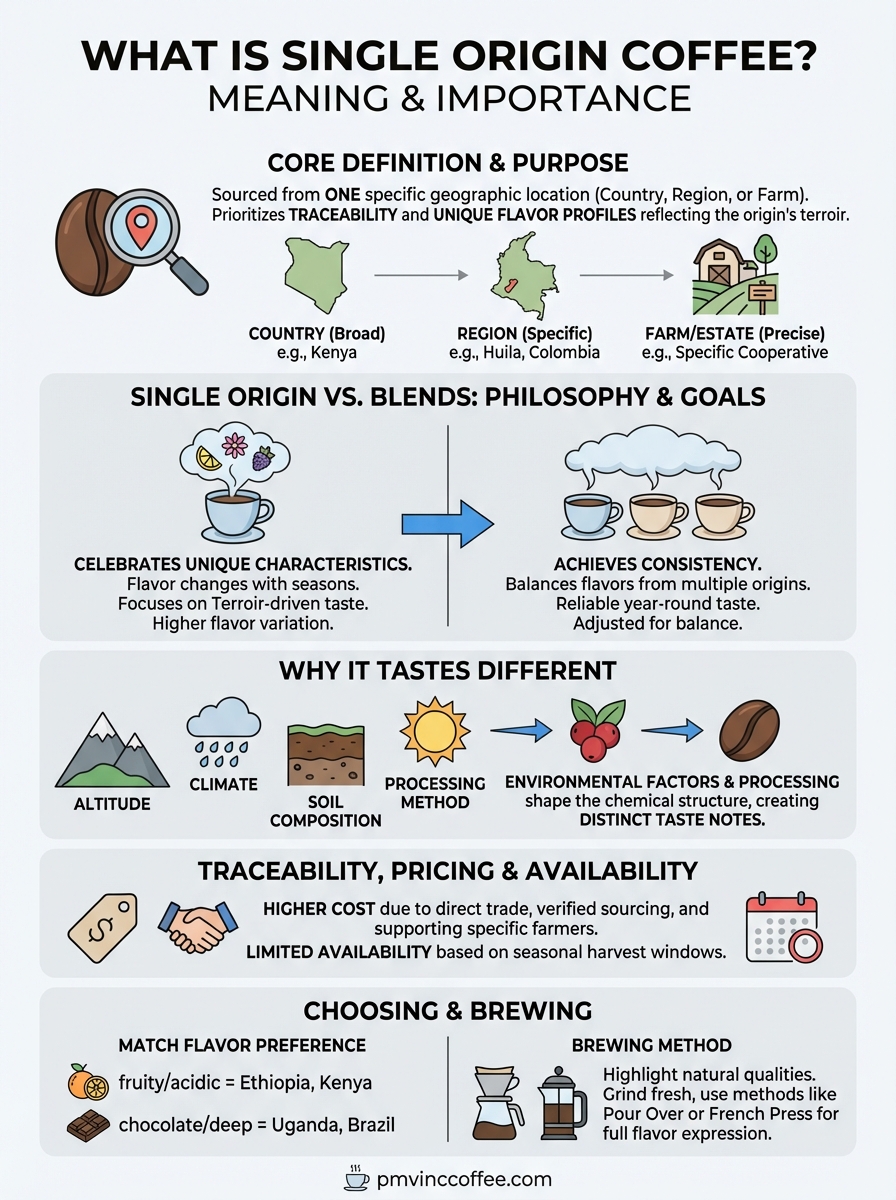
You've probably seen "single origin" printed on coffee bags at your local roaster or spotted it on café menus. But what is single origin coffee, exactly? The term gets thrown around often, yet its meaning, and why it matters for your morning cup, deserves a closer look. At its core, single origin refers to coffee sourced from one specific geographic location, whether that's a country, region, or even a single farm.
This sourcing approach creates something special: traceability and distinct flavor profiles that reflect the land where the beans grew. Unlike blends that combine beans from multiple origins to achieve consistency, single origin coffee celebrates the unique characteristics of its source. The volcanic soil of Kenya, the high-altitude farms of Uganda, each location produces taste notes you won't find anywhere else.
At PVM Inc., we source single origin beans from places like Uganda and Kenya because we believe coffee should tell a story. This guide breaks down what single origin actually means, how it differs from blends, and why understanding the distinction helps you choose coffee that matches your preferences. Whether you're exploring our single origin offerings or simply curious about what makes this category stand out, you'll walk away with the knowledge to brew with intention.
What single origin coffee means
Single origin coffee comes from one specific geographic location rather than mixing beans from multiple sources. That location can range broadly, from an entire country down to a single farm or even a specific lot within that farm. The defining factor is traceability: you can identify exactly where the beans originated. When you see "Kenya" or "Uganda" on a coffee label, you know those beans didn't travel from five different continents before landing in your bag.
The geographic levels of single origin
The term operates on different scales of specificity. A coffee labeled "Colombia" technically qualifies as single origin because all beans came from one country. Narrowing further, you might find regional designations like "Huila, Colombia" or "Yirgacheffe, Ethiopia," which point to specific growing areas known for particular characteristics. The most precise versions identify individual estates or cooperatives, giving you the exact farm responsible for your beans.
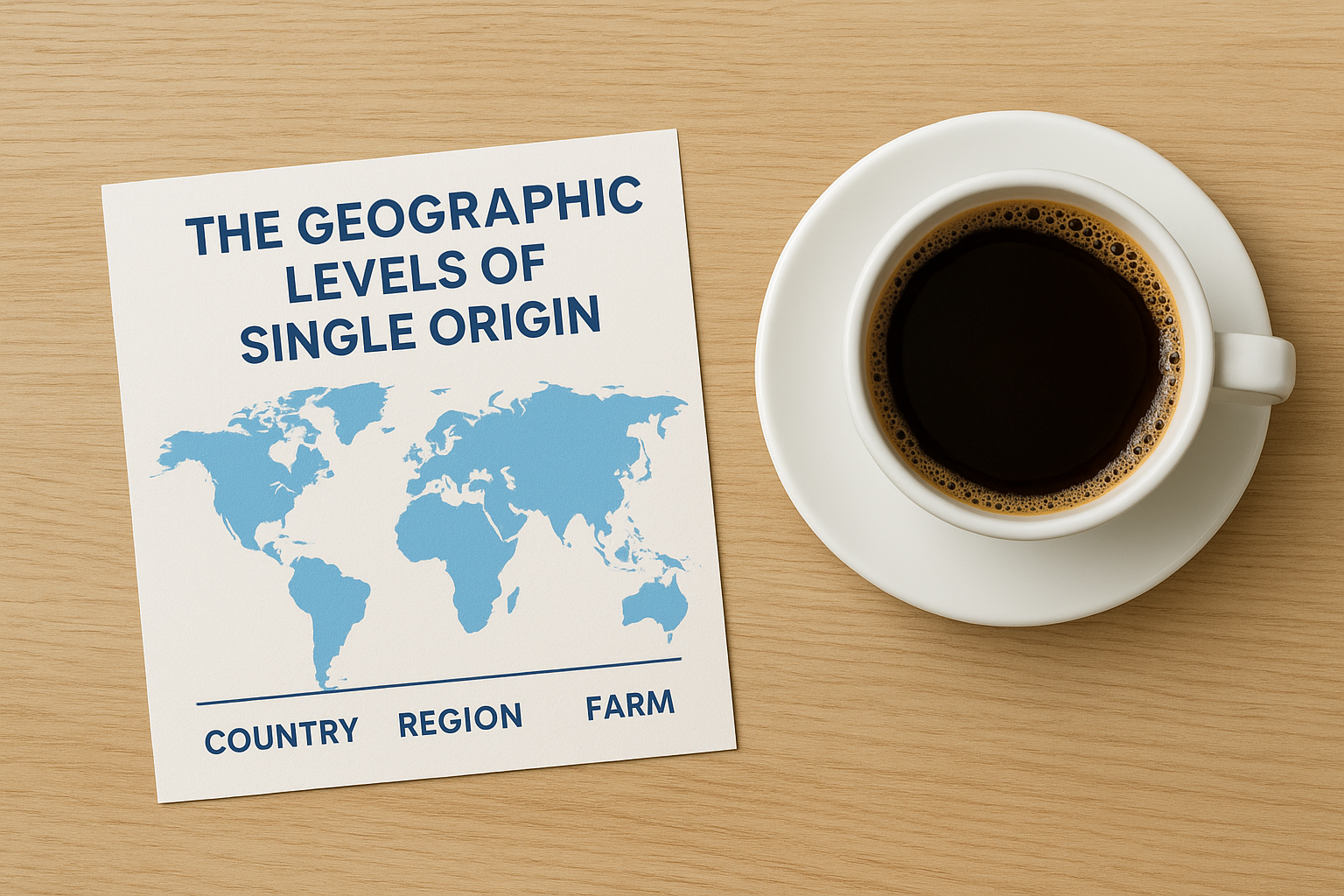
Single origin doesn't automatically mean small-scale production, but it does mean you can trace your coffee back to a specific source.
Why the definition matters for your cup
Understanding what is single origin coffee helps you predict flavor consistency and know what you're actually drinking. Each level of specificity tells a different story. A country-level single origin gives you broad regional characteristics, while a farm-specific coffee reveals the unique terroir of that exact location. This transparency matters because growing conditions, altitude, processing methods, and soil composition all vary dramatically even within small distances. When roasters like PVM Inc. source from specific origins, they're selecting beans with identifiable flavor profiles that reflect where they grew.
Single origin vs blends
The fundamental difference between single origin and blends comes down to sourcing philosophy and flavor goals. Blends combine beans from multiple origins to create a consistent taste profile year-round, while single origin celebrates the distinct characteristics of one location. Neither approach is inherently better, but they serve different purposes and appeal to different preferences. Understanding what is single origin coffee versus blended coffee helps you choose based on what matters most to you: consistency or unique expression.
How blends achieve consistency
Roasters create blends by combining beans from two or more origins to balance flavors and maintain the same taste regardless of seasonal variations. If beans from one region taste brighter due to weather patterns, blenders can adjust proportions from other origins to keep the final product tasting familiar. This approach works well for espresso-focused coffees where you want predictable results every time you pull a shot.
Blends sacrifice origin-specific character in exchange for reliability and controlled flavor complexity.
What single origin offers instead
Single origin coffee gives you transparency and terroir-driven flavors that change with each harvest. You taste the direct result of that specific location's altitude, soil, climate, and processing methods without dilution from other beans. This means more flavor variation between bags, but also the opportunity to experience coffee as an agricultural product that reflects its source. When you brew single origin, you're tasting one place, one time.
Why single origin tastes different
The flavor variation in single origin coffee comes from environmental factors unique to each location. When you understand what is single origin coffee, you realize that altitude, soil composition, rainfall patterns, and temperature all shape the beans' chemical structure before they even leave the farm. A coffee grown at 1,800 meters in Kenya develops different acids and sugars than one grown at 1,200 meters in Brazil, even if both use the same variety.
How terroir creates distinct profiles
Every growing region produces signature flavor characteristics based on its natural conditions. Ethiopian coffees often deliver bright, fruity notes because of the country's high altitudes and heirloom varieties, while Ugandan beans can show deeper, earthier tones from volcanic soils. The same Arabica plant produces different results depending on where it grows, just like wine grapes change based on their vineyard's conditions.
The geographic fingerprint in your cup isn't marketing language, it's chemistry shaped by climate and elevation.
Processing methods amplify origin traits
How farmers process coffee after harvest intensifies or mutes certain flavor compounds already present in the beans. Washed processing highlights clean, bright acidity inherent to the origin, while natural processing brings out fruit-forward sweetness. These decisions happen at the source, making each single origin coffee a direct reflection of both place and method.
Traceability, pricing, and seasonality
Single origin coffee costs more than blends because transparency adds value at every step. When roasters trace beans back to specific farms or cooperatives, they often pay higher prices to producers who maintain quality standards and provide detailed sourcing information. This direct relationship means you're supporting identifiable farmers rather than anonymous commodity trading, but it also explains the premium on your bag. Understanding what is single origin coffee includes recognizing that traceability isn't just a marketing feature, it's a supply chain structure that impacts pricing.
Why traceability affects what you pay
Direct trade relationships and verified sourcing create additional costs that blends avoid through bulk purchasing from multiple sources. Roasters visiting farms, verifying growing conditions, and maintaining long-term partnerships with specific producers all require investment and commitment. These expenses get passed to you, but they also ensure that the coffee in your cup matches the origin story on the label.
Paying more for traceability means your money reaches the actual people who grew your coffee.
How harvest seasons impact availability
Single origin coffees arrive in limited seasonal windows based on when each region harvests. You can't buy fresh Kenyan beans year-round because Kenya's main harvest happens from October through December. This seasonality means limited availability and potential price fluctuations as inventory runs low before the next harvest cycle begins.
How to choose and brew single origin coffee
Choosing single origin coffee starts with understanding your flavor preferences and matching them to regional characteristics. If you enjoy bright, fruity acidity, look for Ethiopian or Kenyan beans. For deeper, chocolate-forward profiles, consider Ugandan or Brazilian origins. Now that you understand what is single origin coffee, you can make informed decisions based on where beans originated rather than relying on generic labels. Start by trying sample packs that let you compare multiple origins side by side before committing to larger quantities.
Match brewing method to bean characteristics
Your brewing method should highlight the origin's natural qualities rather than mask them. Pour over and French press work well for single origin because they allow full flavor expression without heavy extraction that can muddy unique characteristics. Lighter roasts preserve origin-specific notes better than dark roasts, which tend to overwhelm subtle differences with roast flavor.
Brewing single origin coffee means letting the beans speak for themselves rather than forcing them into a predetermined flavor profile.
Buy fresh and store properly
Purchase whole beans and grind just before brewing to maintain the distinct flavors you paid extra for. Single origin coffee tastes best within three to four weeks of roasting, so buy quantities you'll finish quickly and store beans in an airtight container away from light and heat.
Final takeaways
Understanding what is single origin coffee gives you the knowledge to make intentional purchasing decisions based on flavor preferences and values. These beans offer traceability back to specific locations, creating taste profiles that reflect altitude, soil, and processing methods unique to each origin. You pay more for this transparency because direct relationships with farmers cost more than commodity trading, but your money supports identifiable producers and verifiable quality standards.
Single origin coffee works best when you brew it fresh, use methods that highlight its natural characteristics, and approach it with curiosity rather than routine. Blends serve a different purpose by prioritizing consistency, while single origin celebrates seasonal variation and geographic expression. Neither choice makes you a better coffee drinker, but knowing the difference helps you choose what matters most in your cup.
Explore our single origin coffees from Uganda and Kenya to experience how different growing regions produce distinct flavors. Each origin tells its own story through taste.